November 16, 2026
A home represents one of the largest capital investments an individual will ever make, and the roofing system serves as the primary barrier against the elements. Despite its vital function, the roof is often neglected until water actively drips into a living room or attic. Many homeowners operate under the misconception that a roof requires attention only when noticeable interior damage occurs. However, by the time moisture breaches the interior drywall or ceiling insulation, underlying structural deterioration has usually been underway for months. Proactive property owners recognize that routine evaluations are essential for identifying vulnerabilities before they escalate into full-scale structural crises.
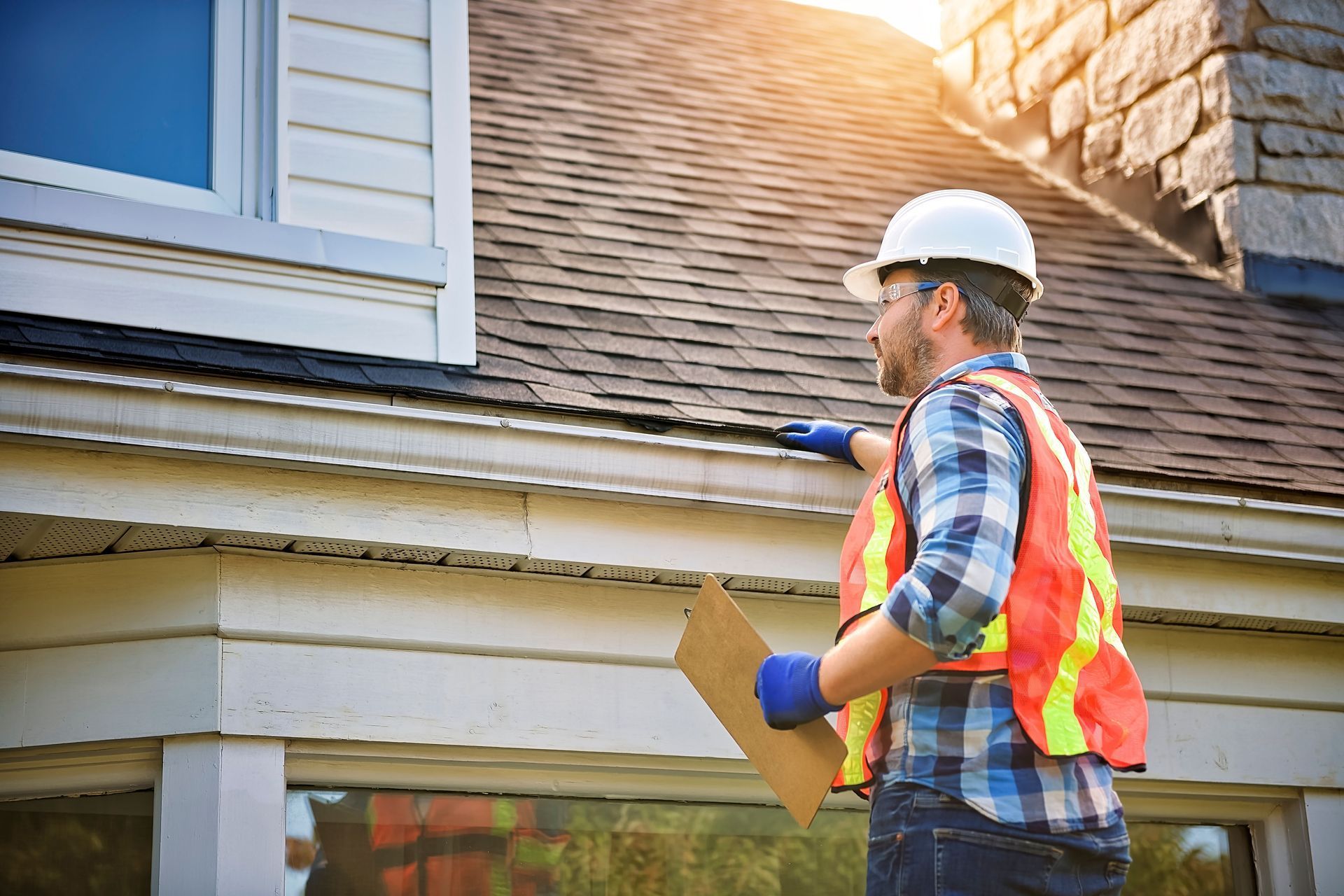
Partnering with established roofing companies to conduct thorough yearly evaluations transforms roof care from a reactive scramble into a predictable, managed investment. Far from being an unnecessary line item, scheduling regular reviews protects property equity and prevents cascading structural complications. Minor imperfections, such as an isolated cracked shingle or loosened flashing, are straightforward to resolve when identified early. When these minor vulnerabilities go unnoticed, they permit moisture intrusion that rots decking, fosters mold colonization, and degrades support framing. Committing to consistent preventative oversight yields compounding financial returns over the life of a structure.
Protecting Structural Components and Interior Living Spaces
The components beneath the outer roof layer are remarkably susceptible to moisture-induced degradation. An annual review provides a clear look at how well these hidden assemblies are performing under continuous seasonal exposure.
Preventing Premature Deterioration of Support Framing
Moisture intrusion rarely stays confined to the exterior surface of a building. When water seeps beneath shingles, tiles, or metal seams, it directly attacks the underlying wood decking and support trusses. Over time, recurring dampness softens structural timbers, causing wood rot that compromises the physical load-bearing capacity of the building. In severe situations, rotted rafters require extensive carpentry reconstruction that extends far beyond the roofing surface itself. Professional roofing companies understand how to detect subtle deflections, spongy sheathing, and hidden dampness within attic cavities long before rafters experience irreversible structural decay. Addressing an isolated water entry point immediately preserves the integrity of rafters, joists, and wall studs.
Eliminating Attic Insulation and Drywall Destruction
Water that penetrates the decking quickly migrates downward into the attic insulation. Wet insulation compresses, losing its thermal resistance and driving up heating and cooling expenses as treated indoor air escapes. Even worse, damp insulation trapped in a dark, warm attic creates an ideal breeding ground for microbial growth, posing substantial health risks to occupants and demanding specialized remediation procedures. As gravity pulls moisture further downward, it stains, softens, and ultimately collapses ceiling drywall. Routine evaluations catch seal failures early, keeping insulation dry, preserving indoor air quality, and protecting interior living spaces from costly restoration requirements.
Maximizing the Lifespan of Existing Materials
Every residential roofing material is engineered to achieve a designated service life, yet premature failure remains a frequent issue for unattended properties. Consistent professional care from roofing companies ensures materials endure for their intended operational duration.
Identifying Environmental Wear and Surface Erosion
Every roofing system endures constant environmental stress, including ultraviolet radiation, thermal expansion cycles, and relentless wind uplift. For asphalt shingles, this exposure leads to granule erosion, curling edges, and loss of flexibility over time. On tile or metal systems, fasteners can loosen, and protective coatings can wear thin. When trained specialists inspect a structure annually, they evaluate surface weathering patterns to determine whether materials are aging normally or deteriorating at an accelerated rate. By replacing isolated broken tiles, resealing exposed fasteners, and addressing minor wear promptly, property owners can avoid premature systemic failures that necessitate complete structural tear-offs.
Mitigating Storm Damage and Weather Complications
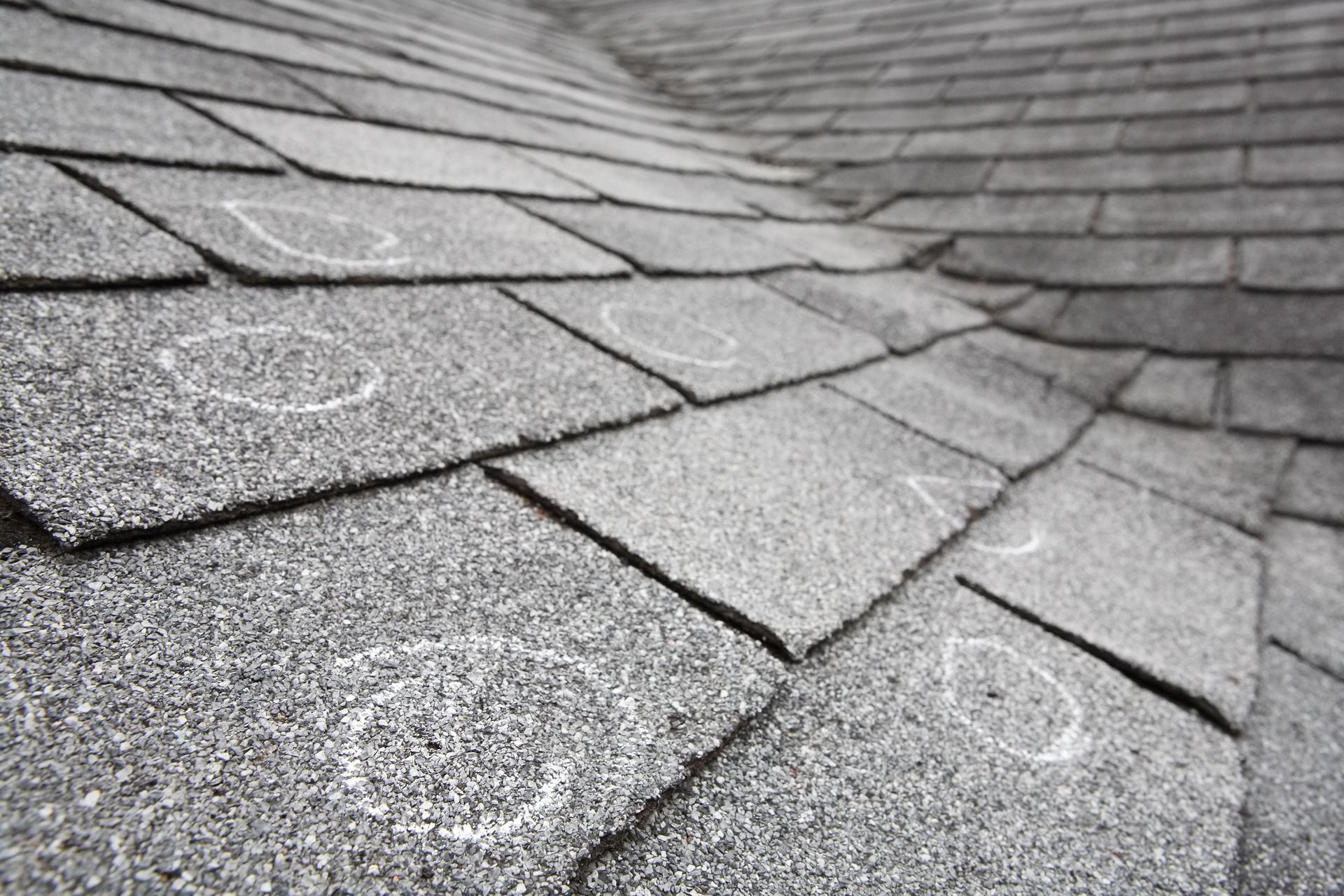
Extreme weather presents sudden and severe threats to any overhead barrier. Strong winds can lift material edges, breaking critical adhesive bonds and leaving the substrate exposed to wind-driven rain, while hail can bruise membranes and fracture rigid components. According to This Old House, a residential roof requires an annual evaluation by experienced professionals or an immediate assessment following any severe atmospheric disturbance. This standard emphasizes that unseen weather impacts can silently compromise exterior protection without producing immediate interior leaks. Engaging experienced roofing companies after severe storms ensures that subtle hail bruises and wind-displaced seams are documented and repaired before seasonal precipitation exploits those compromised zones.
Addressing Hidden Vulnerabilities Before Failure Occurs
The most dangerous vulnerabilities on a roof are often completely invisible from the ground level. Comprehensive checkups examine specific high-risk zones where water penetration is most likely to originate.
Inspecting Flashing and Transition Seams
Flashing assemblies consist of thin metal pieces installed around architectural transitions, including chimneys, vent stacks, skylights, dormers, and intersecting roof valleys. These transition zones represent the most common entry points for moisture because they rely on precise mechanical seals and specialized sealants. Thermal cycling causes building materials to expand and contract, which frequently pulls flashing away from masonry or causes caulking compounds to dry out, shrink, and crack. During an annual review, technicians examine every linear foot of flashing to verify that seals remain watertight and properly anchored. Repairing a separated transition seal takes minimal labor, whereas neglecting it allows water to funnel directly into wall cavities.
Evaluating Gutter Integration and Drainage Pathways
A roofing system depends entirely on proper water dispersion to perform as designed. When drainage pathways become obstructed by accumulated leaves, twigs, and roofing granules, rainwater backs up along the eaves rather than flowing harmlessly away through the downspouts. Standing water along the eaves can seep upward under shingles via capillary action, rotting the fascia boards and sub-roofing edges. Reputable roofing companies inspect the integration between roof drip edges and drainage assemblies during annual reviews, ensuring that runoff flows freely off the structure. Ensuring that water diverts away efficiently prevents foundation pooling, ice dam formation in colder conditions, and chronic perimeter rot.
Maintaining Optimal Home Energy Efficiency
A compromised roof does more than invite water into a structure; it directly degrades the thermal performance of the entire household envelope. Maintaining continuous overhead integrity provides lasting financial advantages through controlled utility expenses.
Preserving Proper Attic Ventilation Systems
Effective roof health relies on balanced ventilation that allows hot, moist air to exhaust while drawing fresh ambient air through intake vents. When intake soffits or ridge vents become obstructed by debris, dust, or shifted insulation, the thermal balance of the upper envelope breaks down. In summer, trapped heat accumulates in the attic space, radiating downward into living areas and forcing air conditioning equipment to run continuously. In winter, trapped interior humidity condenses against the cold underside of the decking, mimicking a severe roof leak. Annual evaluations verify that ventilation ports remain unobstructed, allowing balanced airflow that minimizes thermal strain and lowers monthly energy consumption.
Preventing Uncontrolled Building Air Leakage
Gaps, compromised underlayment, and missing exterior components allow conditioned indoor air to escape while admitting exterior drafts into the structural envelope. Heating and cooling equipment must work substantially harder to maintain desired interior temperatures when air barrier integrity is degraded. During professional assessments, technicians identify loose components and degraded barrier layers that contribute to unwanted air exchange. Correcting these perimeter breaches restores the efficiency of the building thermal boundary, ensuring that mechanical HVAC equipment operates within design specifications without experiencing unnecessary mechanical fatigue.
Establishing Long-Term Protection for Your Investment
Consistent preventative roof maintenance is one of the most effective strategies available for protecting property value and avoiding catastrophic emergency repair scenarios. Overlooking the condition of an overhead shelter allows minor environmental wear, displaced seals, and storm impacts to evolve quietly into extensive structural decay, ruined insulation, and degraded living environments. A structured yearly inspection uncovers subtle material vulnerabilities early, preserves critical drainage pathways, supports proper attic ventilation, and extends the operational life of the entire system. Property owners who proactively partner with qualified
roofing companies preserve their peace of mind while protecting their financial resources year after year. To safeguard your home and maintain complete structural confidence across every season, contact the team at Cowboy's Roofing to schedule a detailed roof evaluation today.