May 22, 2026
Your roof is one of the most important structural components of your property, yet it is often overlooked until a problem becomes impossible to ignore. Emergencies like sudden leaks, storm damage, or structural failures rarely happen without warning. In most cases, the signs are there long before the issue escalates. The difference between a minor repair and a costly emergency often comes down to whether those early warning signals were identified in time.
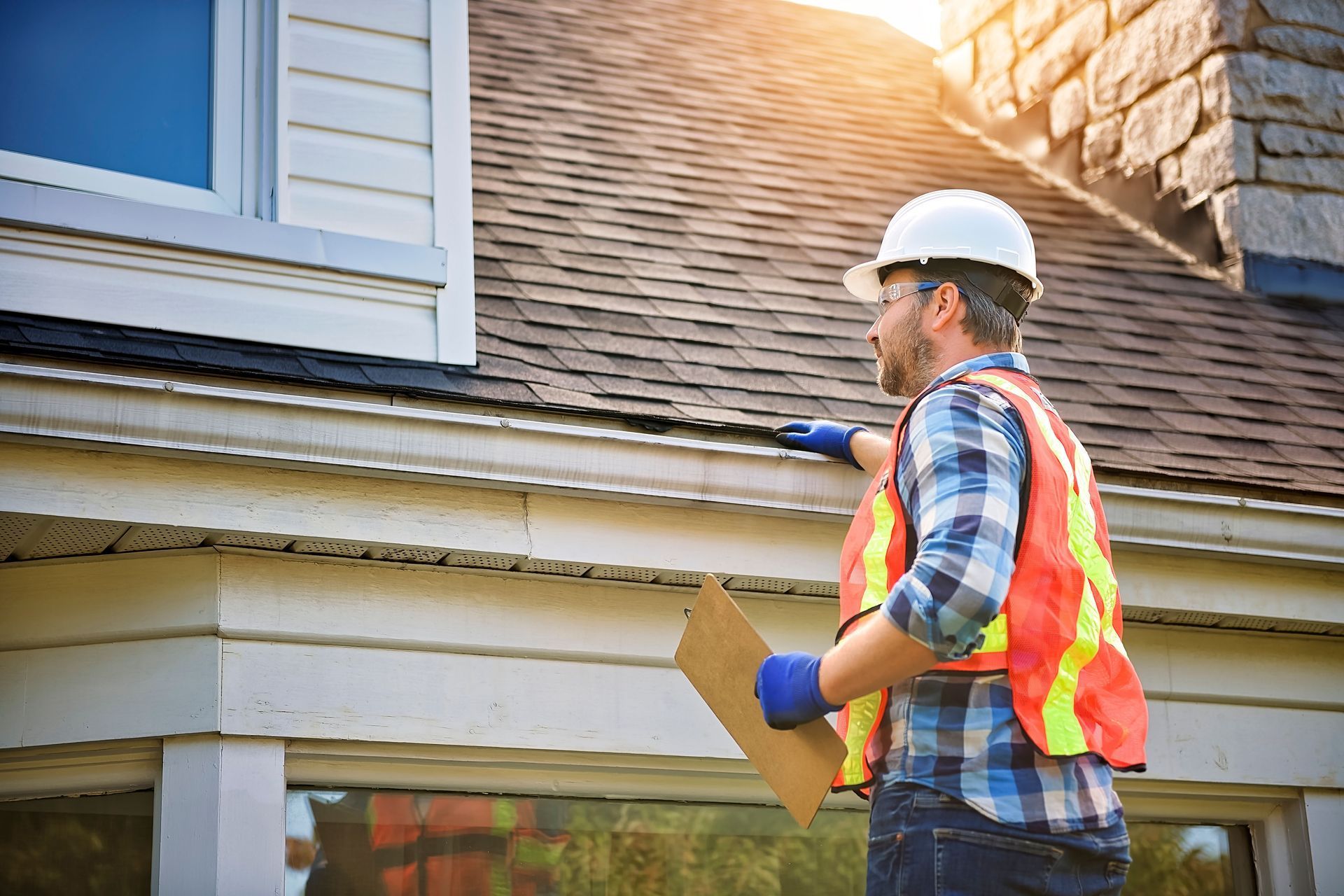
A qualified roofing contractor plays a critical role in preventing these scenarios. Through routine inspections, detailed assessments, and proactive maintenance strategies, professionals can detect vulnerabilities and address them before they compromise the integrity of your roof. Even a relatively quick evaluation can provide valuable insight. According to This Old House, a standard roof inspection may take as little as 45 minutes, making it an efficient yet powerful step toward long-term protection.
Understanding how inspections work and why they matter can help property owners make informed decisions that protect both their investment and their peace of mind.
Preventing Emergencies Through Professional Inspections
Early Detection of Hidden Damage
Many roofing issues begin in areas that are not visible from the ground. Small cracks, deteriorating flashing, or subtle signs of moisture intrusion can go unnoticed for months or even years. A professional inspection conducted by a roofing contractor focuses on identifying these hidden vulnerabilities before they worsen.
Inspectors evaluate shingles, underlayment, flashing, and other critical components to determine whether they are performing as intended. They also look for early signs of water infiltration, which can lead to mold growth, insulation damage, and structural decay if left untreated. Catching these issues early allows for targeted repairs that are far less expensive and disruptive than emergency fixes.
Assessing Structural Integrity
A roof is more than just its outer layer. Beneath the surface lies a structural system that supports the entire assembly. Over time, factors such as moisture, temperature fluctuations, and aging materials can weaken this framework.
A thorough inspection examines the condition of decking, support beams, and other structural elements. This process helps identify sagging areas, compromised load-bearing components, or signs of long-term stress. By addressing these concerns proactively, a roofing contractor can help prevent sudden failures that may pose safety risks and require extensive repairs.
Evaluating Drainage and Water Flow
Proper drainage is essential for maintaining the longevity of any roofing system. When water is not directed away effectively, it can accumulate on the surface or seep into vulnerable areas. Over time, this can lead to leaks, rotting, and even foundation issues.
During an inspection, professionals assess gutters, downspouts, and overall drainage patterns. They check for blockages, improper slopes, and areas where water may accumulate. Ensuring that water flows correctly off the roof reduces the likelihood of moisture-related emergencies and helps preserve the structural integrity of the building.
Examining Key Areas During Roof Inspections
Shingles and Surface Materials
The outermost layer of your roof serves as the first line of defense against the elements. Shingles and other surface materials are constantly exposed to sunlight, wind, rain, and temperature changes, all of which contribute to wear and tear.
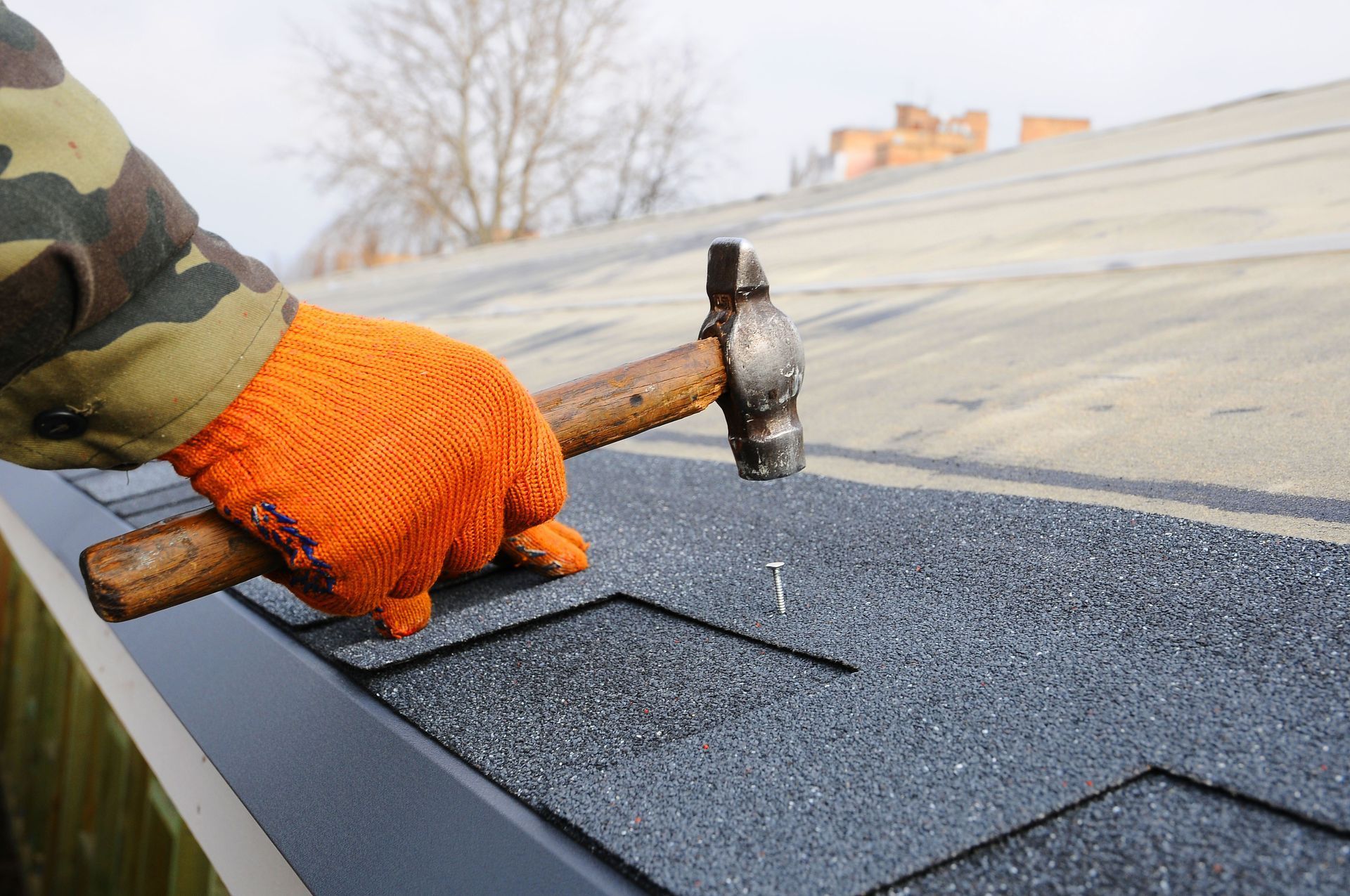
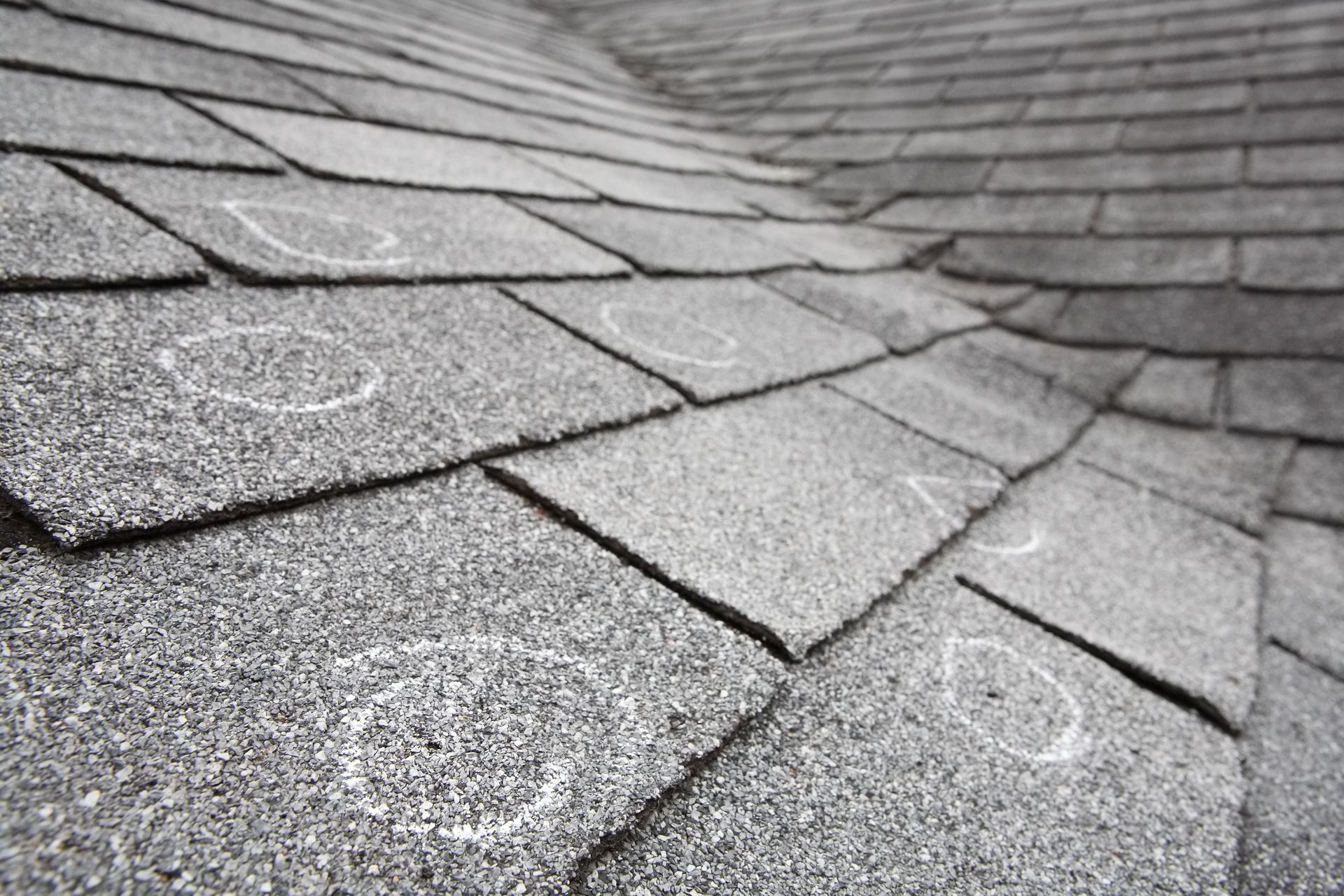
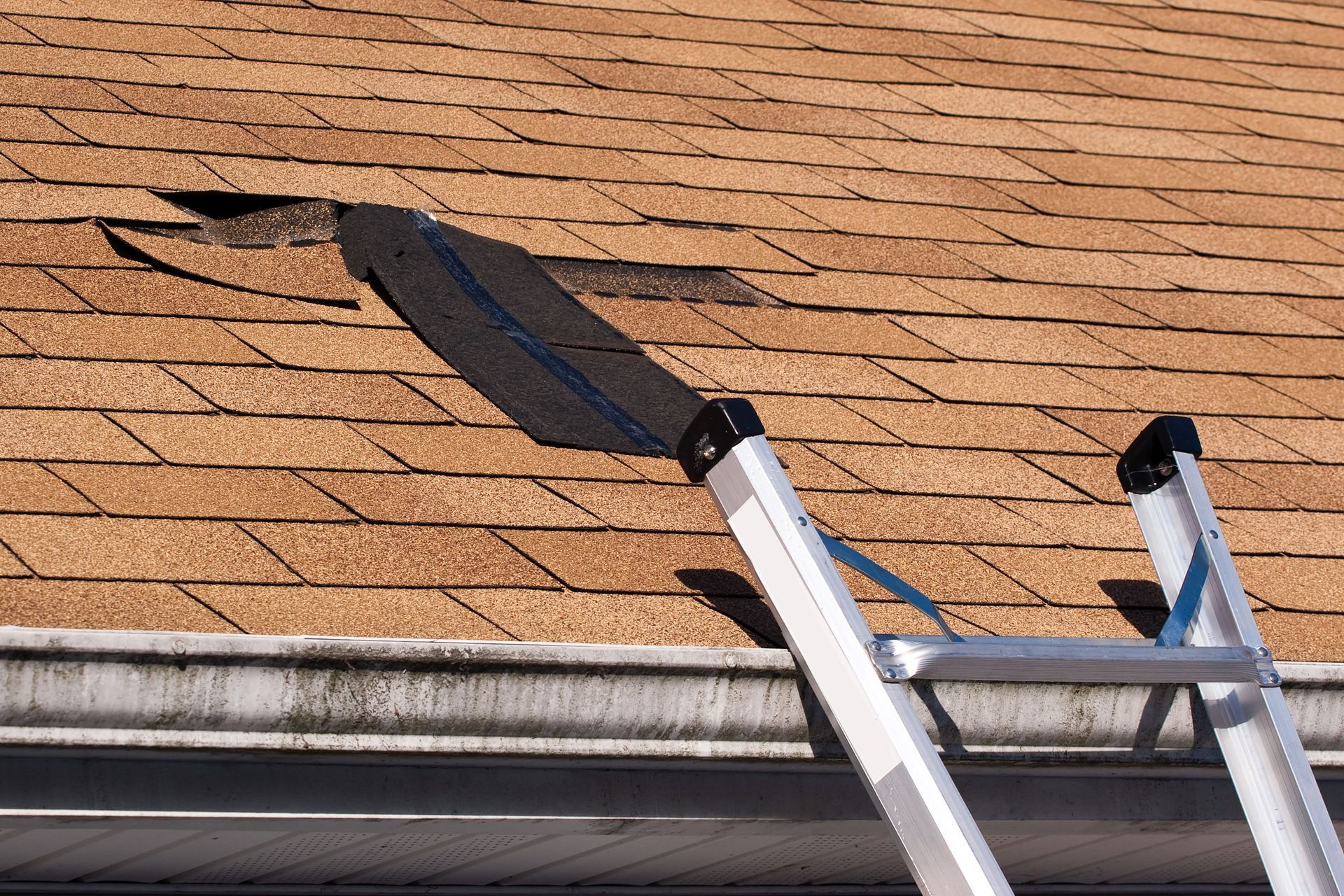
An inspection involves checking for cracked, curling, or missing shingles, as well as signs of granule loss. These issues may seem minor at first, but they can quickly lead to water penetration if not addressed. A roofing contractor ensures that damaged materials are identified and replaced before they compromise the entire system.
Flashing and Seal Integrity
Flashing plays a crucial role in preventing water from entering areas where different parts of the roof meet, such as around chimneys, vents, and skylights. Over time, flashing can loosen, corrode, or develop gaps that allow moisture to seep through.
Inspectors pay close attention to these vulnerable points, checking for signs of deterioration or improper installation. Maintaining the integrity of flashing and seals is essential for preventing leaks that can lead to interior damage and costly repairs.
Ventilation and Insulation
Proper ventilation and insulation are key factors in maintaining a healthy roofing system. Without adequate airflow, heat and moisture can build up in the attic, leading to a range of problems, including mold growth and premature material degradation.
A professional evaluation includes assessing ventilation systems to ensure they are functioning correctly. Inspectors also examine insulation levels to confirm that they are sufficient for regulating temperature and preventing energy loss. Addressing these factors not only protects the roof but also improves overall energy efficiency.
Signs of Pest Activity
Pests such as rodents, birds, and insects can cause significant damage to roofing systems. They may create openings, chew through materials, or build nests that block ventilation pathways.
During an inspection, a roofing contractor looks for evidence of pest activity, including droppings, nesting materials, and entry points. Identifying and addressing these issues early helps prevent further damage and reduces the risk of infestations spreading throughout the property.
Reducing Long-Term Costs Through Regular Inspections
Preventing Minor Issues From Escalating
One of the most significant benefits of routine inspections is the ability to address small problems before they become major expenses. A loose shingle or minor leak may require a simple repair, but if left unattended, it can lead to extensive water damage and structural deterioration.
By scheduling regular evaluations, property owners can stay ahead of potential issues and avoid the financial burden of emergency repairs. A professional roofer provides the expertise needed to prioritize repairs and implement cost-effective solutions.
Extending the Lifespan of the Roof
Roofs are designed to last for decades, but their longevity depends on proper maintenance. Regular inspections help ensure that all components are functioning as intended and that any signs of wear are addressed promptly.
This proactive approach can significantly extend the lifespan of the roofing system, delaying the need for a full replacement. Over time, this translates to substantial savings and a better return on investment.
Maintaining Warranty Compliance
Many roofing warranties require regular inspections and maintenance to remain valid. Failing to adhere to these requirements can result in denied claims, leaving property owners responsible for repair costs.
Working with a roofing contractor ensures that inspections are conducted according to industry standards and that proper documentation is maintained. This not only protects the warranty but also provides valuable records of the roof's condition over time.
Understanding the Importance of Timing and Frequency
Seasonal Considerations
Different seasons present unique challenges for roofing systems. Winter can bring snow and ice, while summer exposes materials to intense heat and UV radiation. Spring and fall often introduce heavy rainfall and fluctuating temperatures.
Scheduling inspections at key times of the year allows property owners to prepare for these conditions. A roofing contractor can identify seasonal vulnerabilities and recommend preventive measures to minimize the impact of weather-related stress.
Post-Storm Evaluations
Severe weather events can cause significant damage, even if it is not immediately visible. High winds, hail, and heavy rain can loosen materials, create small punctures, or weaken structural components.
After a storm, it is essential to have a professional inspection to assess any potential damage. Prompt evaluation helps prevent hidden issues from developing into emergencies and ensures that necessary repairs are completed quickly.
Age-Related Assessments
As a roof ages, it becomes more susceptible to wear and deterioration. Older roofing systems require more frequent inspections to monitor their condition and address emerging issues.
A roofing contractor can provide guidance on how often inspections should be scheduled based on the age and type of the roof. This tailored approach ensures that maintenance efforts are aligned with the specific needs of the property.
Preventing roofing emergencies requires more than reactive repairs. It demands a proactive approach that focuses on early detection, regular maintenance, and informed decision-making. Professional inspections provide the foundation for this strategy, offering valuable insights into the condition of the roof and identifying potential risks before they become serious problems. To schedule a professional inspection for your roof, reach out to Cowboy's Roofing!